
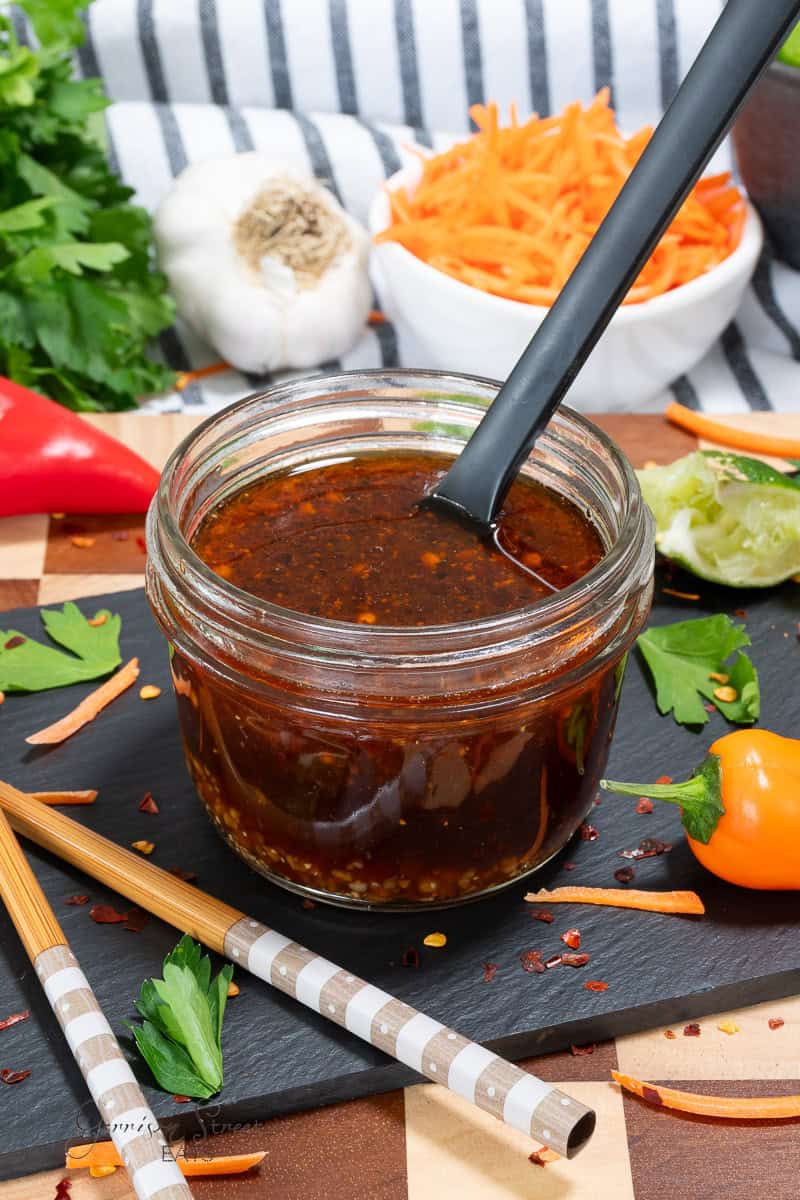
Simple Homemade Korean Beef Bulgogi Sauce Recipe
This bulgogi sauce recipe nails the sweet savory balance and marinade power that makes bulgogi taste exactly like your favorite Korean food spot without hunting down hard to find ingredients. You know that moment when you bite into perfectly charred bulgogi and the sauce hits just right and makes you want another bite immediately? That flavor lives in the sauce. And while most people think it requires a pilgrimage to an Asian market or some secret fermentation ritual, the truth is simpler. You can make legit bulgogi sauce at home with pantry staples, ten minutes, and some whisking. This sauce works on beef, pork, chicken, vegetables, and even French fries! Full recipe card below.

This post contains affiliate links. Please see my full disclosure policy for more information.
What is Korean Beef Bulgogi?
Bulgogi is a Korean barbecue dish frequently made with thinly sliced steak or short ribs. It is full of savory and sweet flavors and the name bulgogi actually means fire meat. While this is often served as a main dish it can also be served as a delicious appetizer in smaller portions.
Why This Recipe Works
Bulgogi sauce is universally loved for good reason. It combines bold umami flavor, versatility, and simplicity. It can be used as a marinade, glaze, dipping sauce, or even a stir-fry base. The sauce is forgiving, adaptable, and shockingly easy to make once you understand what role each ingredient plays to create a perfectly balanced sauce you will crave. And the best part? You can make it your own kitchen.
Bulgogi Sauce Ingredients
This simple and flavorful sauce has a few key ingredients that drive the entire flavor profile. While this beef bulgogi recipe uses basic Asian ingredients I will share what I used and why. These are all pantry staples in my house and should not require any special trips to the Korean grocery store.

Soy Sauce – Soy sauce is the backbone in this sauce recipe. It provides the salt and the deep umami that makes bulgogi taste savory without feeling one dimensional. Soy sauce gives you the punch you need without having to add extra salt later. I prefer the reduced sodium version to avoid an overly salted dish but you can use regular too.
Chili Paste – This is a spicy recipe and the heat comes from the chili paste. This is a very potent ingredient made from chili peppers and is commonly used in Asian recipes as a base, flavoring agent, or dipping sauce. If you do not like spicy food, you will want to skip this ingredient or substitute it with red pepper flakes or sriracha for a milder spice level.
Rice Wine Vinegar – Another common ingredient in Asian dishes is rice vinegar. It has an acidic taste but unlike white vinegar, rice vinegar is made from fermented rice and white vinegar is made from fermented grain alcohol. Rice vinegar is not quite as offensive and has a slightly sweet taste. This can be found at your regular grocery store in the international food section or near the vinegars depending on your store setup.
Sesame Oil – Sesame oil adds nuttiness and aroma. A little goes a long way! Too much and it’s all you taste, but just enough gives the sauce that signature toasted, aromatic quality that screams Korean BBQ.

Brown Sugar – Sugar creates caramelization. When the sauce hits a hot pan or grill, the sugar caramelizes and creates those dark, sticky, slightly charred edges that make bulgogi addictive. Brown sugar adds a subtle molasses note that feels warmer and richer than white sugar.
Fresh Ginger – Ginger is another common ingredient used in Asian cooking and adds a fresh and slightly spicy flavor to a dish. You can find it in the produce section in grocery stores. While it is technically classified as a spice it looks similar to a root vegetable. The best way to use fresh ginger is to grate it. I find this works best if you store it in the freezer and grate it frozen. If you do not have fresh ginger you can also use ground ginger, but it will not add the same freshness to the dish.
Garlic – Fresh is better than powdered here because you want those bright, sharp flavors that wake up the soy and sugar while adding some depth and flavor.
Lime Juice – This adds a bit of extra freshness as well as some additional acid which helps cut some of the spice in the sauce.
* Note to my readers. I strive to bring home cooks reliable recipes you can count on. Every recipe on this site is tested and made by me personally in my own kitchen and given to my harshest recipe tester critics for invaluable feedback. This site does not review its own recipes or participate in paid reviews nor does it purchase recipes and photos from third parties. Photos are taken of each recipe and not artificially generated. All reviews are real trustworthy reviews and if you make a recipe and have feedback, please feel free to contact me.
Print
Simple Homemade Korean Beef Bulgogi Sauce Recipe
- Total Time: 10 minutes
- Yield: 1 cup 1x
- Diet: Dairy-Free, Vegetarian
Description
Skip the jarred stuff with corn syrup and preservatives. This quick bulgogi sauce recipe delivers restaurant quality flavor with nine simple pantry ingredients and zero regret. It’s the perfect sauce for Korean BBQ beef, short ribs or veggies. Use it as a sauce, glaze or marinade. This sauce brings deep umami flavors you crave from Korean food without a takeout menu.
Ingredients
- 1/3 cup Low Sodium Soy Sauce
- 1 1/2 tbsp Chili Paste
- 2 tbsp Rice Vinegar
- 1 tbsp Sesame Oil
- 2 tbsp Brown Sugar
- 1/4 tsp Grated Ginger
- 1/4 tsp Black Pepper
- 2 tsp Garlic minced
- 1 Lime Wedge (juice from)
Instructions
- Combine all ingredients in a small bowl and whisk until all the sugar is dissolved and combined.
- Pro Tip: The easiest way to grate ginger is to do it frozen with a zester.
- Prep Time: 10 minutes
- Category: Sauces
- Method: No Cook
- Cuisine: Korean
Looking for more easy sauce recipes? Try my quick homemade teriyaki sauce, sweet and spicy Caribbean jerk sauce, spicy 10 ingredient kung pao sauce, or my easy pad Thai peanut sauce.
Looking for more recipes with Asian flavors, try my Korean beef bulgogi lettuce wraps, spicy tuna poke bowls, shrimp pad Thai noodles, Thai peanut lettuce wraps, or my kung pao chicken pizza.

Storage
Bulgogi sauce stores beautifully and having a jar in the fridge means you’re always one sauce away from an incredible dinner. Store it in an airtight container or a glass mason jar in the fridge for up to two weeks. Simply shake or stir before using as the sauce can separate slightly as it sits.
When to Make Bulgogi Sauce
I make this sauce all the time for my bulgogi beef bowls and lettuce wraps. But this easy sauce can also be used as a marinade or a glaze. It flavors veggies as well and I have even made bulgogi fries with it! Think poutine only with beef, green onions, sesame seeds, and a sriracha mayo drizzle. A whole new guilty pleasure. No matter when you decide to make this authentic recipe, it will definitely become a household favorite!

Love new recipes and kitchen talk? Subscribe so you never have to ask what’s on the menu. Delicious recipes delivered straight to your inbox 😉 Plus you will receive access to all my free printables! These are only available to my awesome subscribers as my way of thanking you for your continued support!
Did you enjoy Simple Homemade Korean Beef Bulgogi Sauce Recipe? Hover over an image and save to Pinterest! And if you don’t already follow me on social media ( Instagram, Pinterest, TikTok or Facebook ) I would love for us to be friends!
Did you love this recipe? Give it a five star rating and Tag @garrison.street.eats on Instagram and hashtag it #garrisonsteats

This post, Simple Homemade Korean Beef Bulgogi Sauce Recipe, appeared first on Garrison Street Eats.


